
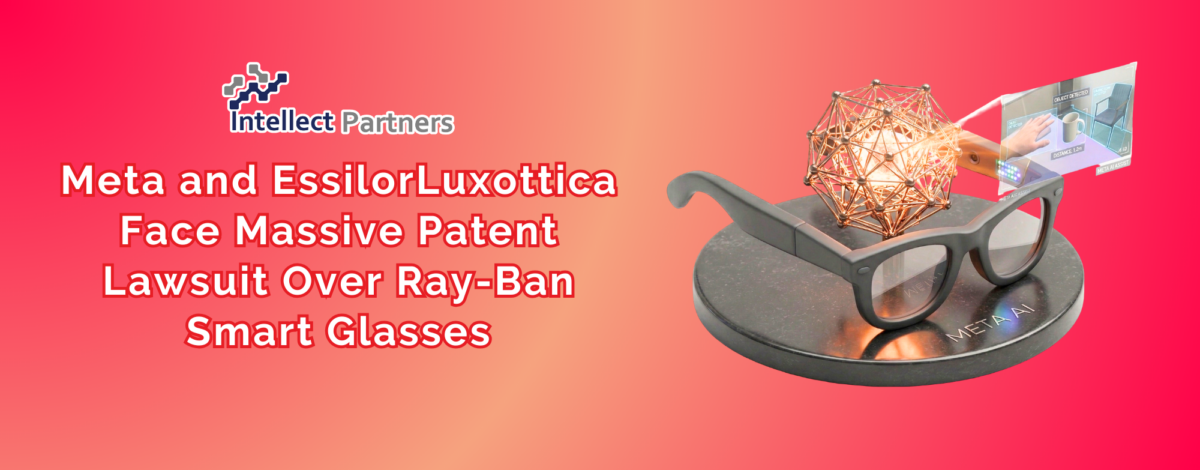
The smart eyewear landscape has shifted from a race for innovation to a high-stakes legal battlefield. Solos Technology’s multi-billion dollar lawsuit against Meta Platforms and EssilorLuxottica (specifically targeting the Ray-Ban Meta portfolio) represents a critical juncture in the Intellectual Property (IP) world. This is not merely a dispute over design; it is an assault on the foundational logic that enables modern “always-on” AI wearables.
Foundational Sensor Fusion and Multimodal Logic
At the heart of the litigation is the concept of Multimodal Sensing and Sensor Fusion. While modern generative AI—like Meta AI—provides the “brain,” Solos claims to own the “nervous system.” Their patents cover the intricate frameworks that allow a device to simultaneously digest inputs from cameras, microphones, gyroscopes, and accelerometers to create a unified understanding of the user’s environment.
In a smart glasses context, this “fusion” is what prevents the AI from becoming overwhelmed by raw data. It allows the device to intelligently decide which sensor takes priority—for instance, using motion sensors to “wake up” the camera only when the user’s head is stable. Solos argues that Meta’s “Look and Ask” feature, which requires the glasses to process visual and vocal data in tandem, relies directly on these patented architectural frameworks.
The Architecture of Contextual Awareness
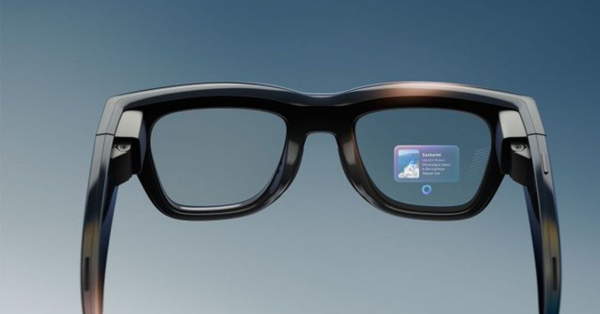
A significant portion of the suit targets Contextual and Activity Detection Systems. This technology is the bridge between a “passive” camera and an “active” assistant. Solos’ patents allegedly cover the methods by which a wearable identifies a user’s current state—whether they are walking, cycling, or standing still—and adjusts its power consumption and AI responsiveness accordingly.
By detecting the “context” of a user’s movement, smart glasses can optimize battery life and ensure that voice-activated integrations are ready exactly when needed. Solos asserts that these “foundational” frameworks were established in their portfolio years before Meta entered the market, making any modern iteration that relies on real-time activity detection a potential infringement of their intellectual property.
Audio Precision and Beamforming in Wearable Environments
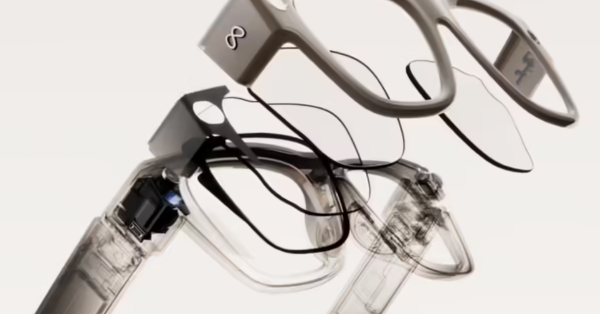
Audio is often the primary interface for smart glasses, and Solos has focused heavily on Audio Processing and Beamforming. In a wearable form factor, microphones are positioned far from the mouth and are subject to extreme wind and ambient noise. Beamforming technology uses a mathematical array to “steer” the microphone’s sensitivity toward the user’s voice while suppressing external interference.
Solos claims that the crisp, voice-activated AI interactions that have made the Ray-Ban Meta Wayfarer a consumer success are powered by their proprietary audio algorithms. Without these specific methods of signal isolation, an AI assistant would be virtually unusable in outdoor or crowded environments—the very settings where Meta has marketed its glasses most aggressively.
The Argument for Willful Infringement
Perhaps the most strategically damaging aspect of the suit is the documented history of interaction between the companies. Solos alleges a “senior-level and increasingly detailed knowledge” of their technology by the defendants. By citing physical testing of Solos glasses by Oakley (an EssilorLuxottica brand) in 2019 and specific academic study of their frameworks by a Meta Product Manager in 2021, Solos is aiming for a finding of Willful Infringement.
In U.S. patent law, if a plaintiff can prove that a defendant knew of the patents and chose to infringe anyway, the court can award “treble damages”—tripling the already multi-billion dollar claim. This narrative of “direct knowledge” puts Meta and EssilorLuxottica in a difficult position, as it suggests that the similarities in their product architecture may not be a case of parallel evolution, but of calculated integration.
Market Implications and the “Injunction” Threat
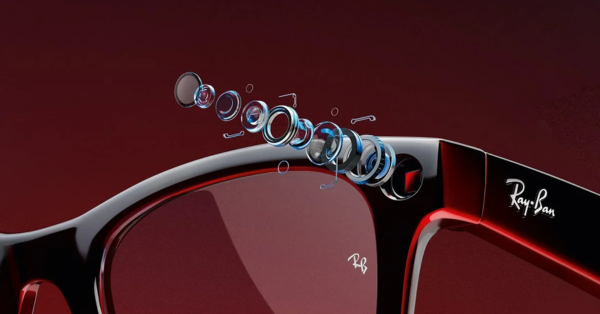
The request for an injunction is the ultimate “nuclear option” in this litigation. With over two million units sold, the Ray-Ban Meta line is the first smart glasses product to achieve genuine mainstream traction. A court-ordered halt on sales would not only cost Meta billions in lost revenue but would also cede the burgeoning wearable AI market to competitors just as the “Metaverse” vision is beginning to materialize.
For IP professionals, this case highlights a looming reality: the pioneers of the 2010s “wearable boom” hold the keys to the AI-hardware integration of the 2020s. As we watch this case unfold, the outcome will likely dictate how tech giants license—or acquire—foundational technology in the years to come.