V2X Technology
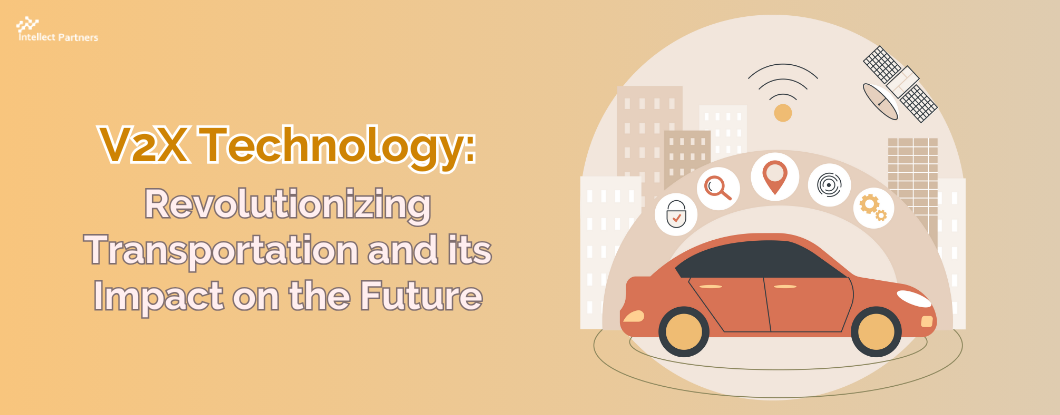
Technology keeps pushing the limits of innovation in the quickly changing field of transportation. Vehicle-to-Everything (V2X) communication technology is one such ground-breaking development that is transforming how vehicles interact with their environment. V2X refers to a group of communication technologies that allow vehicles to interact with networks, infrastructure (RSU), pedestrians, and other vehicles (V2V, V2P, and V2N).
V2V communication
V2V communication, which involves direct communication between vehicles, is part of V2X technology. Vehicles can increase traffic efficiency, increase road safety, and enable cooperative driving by communicating real-time information. Vehicles can exchange information about their position, velocity, acceleration, and trajectory through V2V communication. Advanced safety features including collision warnings, emergency braking assistance, and cooperative adaptive cruise control are made possible by this information sharing.
V2I communication
Establishing a connection between cars and the surrounding infrastructure, such as traffic lights, roadside sensors, RSU, and road signage, is the main goal of V2I communication. Vehicles can get updates on the state of the roads, traffic light timings, and real-time traffic data through a V2I connection. Informed judgments may be made, routes can be optimized, and driving behavior can be modified as a result. Traffic management systems may also monitor and regulate traffic flow, improve signal timings, and give precedence to emergency vehicles. Additionally, V2I integration is essential for the development of smart cities and intelligent transportation systems.
V2P communication
By enabling vehicles to identify and interact with road users including bicycles and pedestrians, V2P communication seeks to improve pedestrian safety. This variation of V2X technology makes use of sensors, such as cameras and radars, to find pedestrians who are close to the car. Once the pedestrian has been identified, the car can share data with them, giving both of them alerts or cautions. For instance, when a car is near a crossing, it can send out a signal to pedestrians to let them know it is going to stop after spotting them. Increased awareness, fewer accidents involving pedestrians, and safer cohabitation between automobiles and road users are all benefits of V2P communication.
V2N communication
Data is exchanged between cars and external networks, including cloud-based applications, traffic management hubs, and mobility service providers, using V2N communication. Vehicles may get real-time information regarding traffic patterns, weather forecasts, and parking spots thanks to V2N networking. This knowledge provides drivers with useful insights for effective route planning, traffic avoidance, and parking spot location. Furthermore, the V2N connection makes it possible for automakers to remotely install performance upgrades, bug repairs, and new features, assuring the best possible vehicle performance and safety.
V2X technology has multiple benefits, and has a potential impact on our future:
“Traffic Efficiency and Management”
V2X technology is essential for improving traffic management and efficiency. V2X systems help intelligent traffic management systems make wise decisions by gathering real-time data on traffic flow, congestion, and road conditions. Based on the actual traffic demand, traffic lights may be dynamically changed to shorten wait times and improve traffic flow.
“Enabling Autonomous Driving”
Self-driving cars with V2X capabilities may communicate with other vehicles and infrastructure to share information, which enables them to safely and effectively manage challenging traffic situations. Autonomous cars can make educated judgments and respond quickly by receiving real-time data through V2X communication on the state of the roads, traffic patterns, and possible dangers. This innovation speeds up the incorporation of autonomous cars into our transportation infrastructure by improving their dependability and safety.
“Enhancing Road Safety”
Enhancing road safety is one of V2X technology’s main objectives. V2X systems provide cars the ability to interact with one another and their surroundings, allowing them to share useful information that can lower risks and avert accidents. V2V communication, for instance, might warn drivers of impending crashes, abrupt braking, or perilous road conditions. By informing drivers of construction zones, traffic signal timings, and traffic congestion, V2I communication can improve traffic flow and lessen congestion. Additionally, V2P communication makes it possible for cars to recognize and react to vulnerable road users including walkers, cyclists, and others, improving their safety.
“Reduced Fuel Consumption and Emissions”
V2X technology helps optimize fuel economy and lower emissions, especially when paired with autonomous driving features. Vehicles equipped with V2X systems can exchange data on traffic conditions, road gradients, and upcoming traffic signals. This information enables the vehicles to adjust their speed and acceleration patterns efficiently, minimizing unnecessary fuel consumption and emissions.
Some potential disadvantages and challenges associated with V2x:
“Infrastructure Deployment”
The installation of communication infrastructure, such as roadside devices, traffic sensors, and network connectivity, is necessary for the implementation of V2X technology. Particularly when it comes to comprehensive coverage throughout a whole area or nation, this may be a pricey and time-consuming operation. Particularly in rural or resource-constrained places, the initial investment and infrastructure maintenance expenses may be problematic.
“Interoperability and Standardization”
V2X technology depends on the creation of standard communication protocols and guidelines to guarantee compatibility between various cars and infrastructure parts. However, because different regulatory frameworks, competing corporate interests, and various regional agendas exist, establishing global standardization can be challenging. The successful use of V2X systems may be constrained by a lack of compatibility, which might impede the efficient flow of information.
“Security risks” The technology involves the transmission of sensitive data, such as location and speed information, between vehicles and infrastructure. This data is vulnerable to cyberattacks, which could compromise the safety and privacy of drivers and passengers. Hackers could potentially gain access to the V2X system and use it to cause accidents or steal personal data. In order to address these security risks, V2X systems will need to be built with robust cybersecurity measures in place. This will require a significant investment in security technologies and protocols, as well as ongoing monitoring and updates to ensure that the system remains secure over time. Additionally, stakeholders will need to develop clear policies and regulations around data privacy and security to ensure that personal data is protected and used only for its intended purposes.