



In the rapidly evolving landscape of Artificial Intelligence, the pursuit of groundbreaking innovation often intersects with the critical need for transparency and trust. A recent patent application from tech giant Microsoft, focusing on a “generative AI for explainable AI,” underscores this crucial intersection, highlighting a significant step towards demystifying how AI models arrive at their conclusions. For businesses navigating the complexities of AI adoption, understanding the implications of such intellectual property is paramount.
Two Minds Are Better Than One: A Novel Approach to AI Explanations
Microsoft’s innovative approach posits that the best way to understand one generative AI model is to employ another. This patent application reveals a system designed to illuminate the inner workings of machine learning outputs, providing users with much-needed clarity on the ‘why’ behind an AI’s decision.
Imagine an AI system being queried: “Why was this loan approved (or denied)?” Microsoft’s proposed technology doesn’t just offer a single answer. Instead, it meticulously analyzes the input data (the loan application), alongside relevant historical data, user preferences, past explanations, and even subject matter expertise. This comprehensive analysis generates multiple potential explanations for the AI’s output.
But the innovation doesn’t stop there. Crucially, the system then leverages a second generative AI model to rank these potential explanations based on their relevance and clarity. This multi-layered approach aims to deliver not just an explanation, but the most pertinent explanation, fostering genuine understanding and confidence in AI-driven outcomes.
The Imperative of Explainable AI (XAI) in Enterprise Adoption
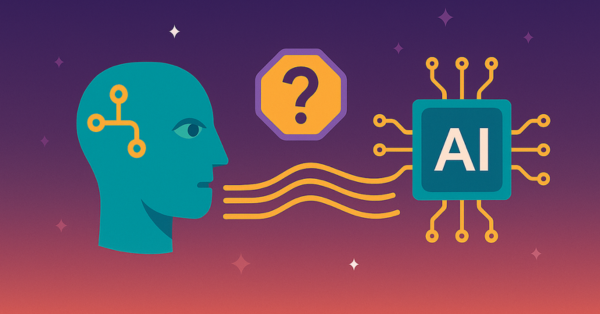
As Microsoft succinctly states in its filing, Explainable AI (XAI) “helps the system to be more transparent and interpretable to the user, and also helps troubleshooting of the AI system to be performed.” This statement resonates deeply with the challenges faced by enterprises deploying AI today.
The race to build and deploy advanced AI is undeniable, yet persistent issues like algorithmic bias and “hallucinations” (AI generating false information) continue to erode trust and pose significant liability risks. Without robust monitoring and a clear understanding of AI decision-making processes, the promise of AI can quickly turn into a peril.
This is precisely why responsible AI frameworks are gaining traction across industries. A recent McKinsey report highlighted this trend, revealing that a majority of surveyed companies are committing substantial investments – over $1 million – into responsible AI initiatives. The benefits are clear: enhanced consumer trust, fortified brand reputation, and a measurable reduction in costly AI-related incidents.

Protecting Your AI Innovations: The Role of Intellectual Property
For a patent intellectual property firm, Microsoft’s move is a powerful signal. As companies like Microsoft push the boundaries of AI, protecting the underlying methodologies and novel applications becomes critical. Patents like this one not only secure a competitive advantage in the burgeoning AI market but also provide a shield against potential liabilities that arise from AI’s complex and sometimes opaque nature.
By actively researching and patenting explainable and responsible AI technologies, Microsoft is not just aiming for a lead in the “AI race”; it’s strategically building a foundation of trust and accountability. This proactive approach to intellectual property in AI, particularly around explainability, could significantly bolster a company’s reputation and safeguard its innovations against future challenges.
For businesses developing or deploying AI, understanding the nuances of AI patents and the strategic importance of explainability is no longer optional – it’s a fundamental pillar of responsible and successful AI integration.